LogIn LogOut

Kuwait Sees 70% Oil Output Recovery within Two Months of Hormuz Reopening

June 4, 2026

 © MR.Zanis / Adobe Stock
© MR.Zanis / Adobe Stock

Kuwait could restore nearly 70% of its oil production within six to eight weeks after the Strait of Hormuz reopens, Kuwait Petroleum Corporation's managing director for international marketing, Shaikh Khaled Ahmad Al-Sabah, said on Wednesday.

The remaining 30% would take about another month, he told the S&P Global Energy Middle East Petroleum and Gas Conference.

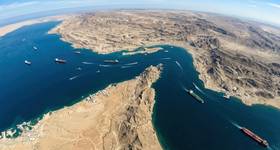
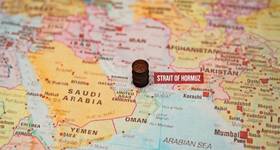
Kuwait's timeline for its production recovery is shorter than some forecasts for a full reopening of transits through the Strait of Hormuz, which Iran has effectively closed since U.S.-Israeli attacks in late February.

On Tuesday, ADNOC's executive vice president for sales and trading Philippe Khoury said full transits through the strait could take until mid-2027 to recover to pre-war levels. The International Energy Agency's head of oil, Toril Bosoni, said a recovery could take six to eight months in the best-case scenario from now if an agreement was reached.

Separately, Al-Sabah said KPC could restore its refinery output to normal levels in around two to three weeks. KPC has about 1.4 million barrels per day of refining capacity, he said.

Vitol Bahrain's head of research, Bader Nooruddin, forecast on Wednesday that Gulf refineries could ramp up to about 90–95% of capacity within 40 to 60 days.


Infrastructure, Partnerships Key


Middle East refiners are already planning for a future after the current supply crisis.

Al-Sabah said Kuwait is in talks with "friendly countries" on potential pipeline projects.

"A lot of people thought, why build a pipeline without using it? Now shows the use of a pipeline," he said, adding the crisis had also highlighted Kuwait's need for larger storage capacity.

Austrian oil firm OMV echoed the comments, with general manager Mikael Berthod telling the conference that Middle Eastern refiners must become more commercially agile and invest in pipelines and storage over the next two to three years.

They will also need stronger partnerships to handle future supply shocks, he added. OMV has investments in the Middle East.

In the near term, ADNOC expects a spike in oil demand to rebuild inventories, followed by a steady recovery as prices normalise, senior vice president of business transformation Fatema Bin Saleem Al Teneiji said.


(Reuters - Reporting by Robert Harvey in London. Editing by Bernadette Baum and Mark Potter)

Current News

Oman’s Block 50 Offshore Drilling Ops Face Further Delays

Oman’s Block 50 Offshore Drilling Ops Face Further Delays

Aramco Picks McDermott for Energy Projects in Saudi Arabia

Aramco Picks McDermott for Energy Projects in Saudi Arabia

Velesto’s Jack-Up Rig Up for Gulf of Thailand Drilling Campaign

Velesto’s Jack-Up Rig Up for Gulf of Thailand Drilling Campaign

Kuwait Sees 70% Oil Output Recovery within Two Months of Hormuz Reopening

Kuwait Sees 70% Oil Output Recovery within Two Months of Hormuz Reopening

Capricorn Energy Grants Third Extension for Potential Takeover Offer

Capricorn Energy Grants Third Extension for Potential Takeover Offer

Ichthys LNG Strike Causes Delay to Taiwan-Bound Cargo

Ichthys LNG Strike Causes Delay to Taiwan-Bound Cargo

Indonesia Targets Higher Oil and Gas Output in 2027

Indonesia Targets Higher Oil and Gas Output in 2027

Subscribe for AOG Digital E‑News

AOG Digital E-News is the subsea industry's largest circulation and most authoritative ENews Service, delivered to your Email three times per week
Russia admits first time oil production is down and blames it on 'unscheduled Maintenance'
As markets weigh US-Iran optimism, gold rises as the dollar and oil weaken.
China will reduce domestic retail prices of gasoline and diesel from June 5,
https://accounts.newwavemedia.com