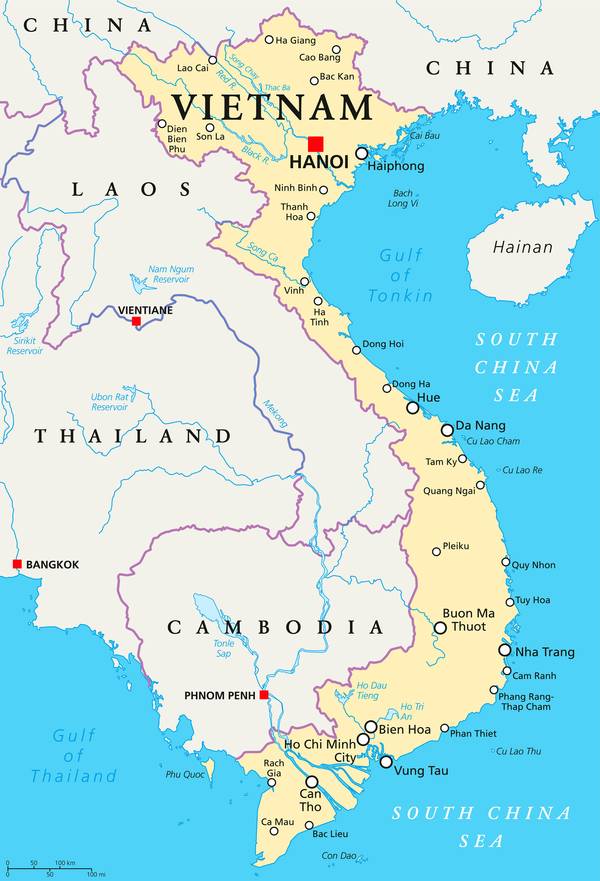
Vietnam's domestic crude oil production is expected to decline this decade, according to a government document released this week, increasing the country's reliance on imports as its offshore fields mature and geopolitical tensions threaten global supplies.
The new forecasts for dwindling oil output come as Vietnam, a regional industrial hub hosting large manufacturing operations of electronics and garment multinationals, is bracing for oil shortages caused by the U.S.-Israeli war on Iran and subsequent export bans from energy suppliers.
Crude output is projected to fall to 5.8 million-8.0 million metric tons a year during the 2026–2030 period, down from an average annual output of 8.6 million tons in the last five years, according to the figures released by the industry ministry.
The fall in domestic output is set to further increase reliance on imports which last year rose 5.3% to 14.2 million tons, according to Vietnam's customs data.
Around 80% of the crude oil Vietnam imported last year came from Kuwait, whose exports are currently frozen by Iran's closure of the Strait of Hormuz.
Vietnam also imports refined fuels, while its two refineries cover around 70% of the country's needs, producing gasoline, diesel and other fuels mostly from imported crude.
Gasoline prices in Vietnam have risen by around 30% and diesel by about 40% since the start of the Iran war, while risks of shortages prompted the government to encourage people to work from home to cut fuel consumption.
Authorities also warned of potential flight reductions from April after China and Thailand halted exports of jet fuel due to the war, increasing the likelihood of shortages.
Vietnamese officials have over the past week reached out to Middle Eastern countries, as well as Japan, South Korea and Angola to secure crude oil supplies.
In a bid to boost domestic output, Vietnam will seek to boost exploration activities, including by offering incentives to international oil companies to invest in its offshore fields, the document said, without elaborating on the incentives.
It aims to raise the recoverable reserves by 13 million-17 million tons of crude oil equivalent a year during the 2026-2030 period, it said.
(Reuters)






AOG Digital E-News is the subsea industry's largest circulation and most authoritative ENews Service, delivered to your Email three times per week