LogIn LogOut
REGISTER NOW FOR the Port of the Future Conference • 2 Days, 50 Ports • Houston, TX • March 24–25, 2026

Eni Advances Major Deep Water Gas Hubs with Dual FIDs

March 18, 2026

Copyright piter2121/AdobeStock

With the sanctioning of the Gendalo, Gandang, Geng North and Gehem fields, Eni is set to deliver up to 2 bscfd of gas and 90,000 bpd of condensate at plateau. The projects leverage existing infrastructure to accelerate time‑to‑market and strengthen both domestic supply and LNG exports.

Eni has taken the Final Investment Decisions (FIDs) for the Gendalo and Gandang gas project (South Hub) and for the Geng North and Gehem fields (North Hub), only 18 months after the approval of the Projects of Development (PODs) in 2024. The milestone confirms the fast pace of development of Eni’s deep‑water gas projects offshore East Kalimantan.

The developments combine state‑of‑the‑art technologies with the leveraging of existing infrastructure, including the Jangkrik Floating Production Unit (FPU) and the Bontang liquefaction plant. This integrated approach enables significant cost efficiencies and accelerates time to market.

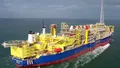
The Gendalo and Gandang development plan, in water depths ranging from 1,000 to 1,800 meters, includes the drilling of seven producing wells and the installation of deep‑water subsea production systems tied back to Jangkrik FPU. For the North Hub, the project foresees the drilling of 16 producing wells at water depths between 1,700 and 2,000 meters, and the installation of subsea systems linked to a newly built FPSO capable of processing over 1 bscfd of gas and 90,000 bpd of condensate, with a storage capacity of 1.4 million barrels.

The combined volumes in place for the two projects amount to nearly 10 Tcf of gas initially in place (GIIP), with 550 million barrels of associated condensate. The two projects are expected to start up in 2028 and Eni will reach a production plateau of 2 bscfd of gas and 90,000 bpd of condensate in 2029. The gas will be transported onshore via an export pipeline to a receiving facility feeding both the existing domestic pipeline network and the Bontang LNG plant. The LNG produced will supply domestic demand as well as international markets. Condensate will be processed and stored offshore in the FPSO for export via shuttle tanker.

The development plan also includes extending the operating life of the Bontang LNG plant by reactivating one of its currently idle liquefaction trains (Train F).

Current News

Offshore Vietnam: Energy Imports Rise as Domestic Production Falls

Offshore Vietnam: Energy Imports Rise as Domestic Production Falls

Eni Advances Major Deep Water Gas Hubs with Dual FIDs

Eni Advances Major Deep Water Gas Hubs with Dual FIDs

Eni Advances Angola Gas Project, Secures $9B Credit Facility

Eni Advances Angola Gas Project, Secures $9B Credit Facility

TVO Customizes Tethered BOP Technology

TVO Customizes Tethered BOP Technology

Eni: New Gas Discoveries in Libya

Eni: New Gas Discoveries in Libya

Petronas Makes New Hydrocarbon Discovery in Southeast Asia

Petronas Makes New Hydrocarbon Discovery in Southeast Asia

PTTEP Picks Everllence Compressors for Thailand’s Offshore CCS Project

PTTEP Picks Everllence Compressors for Thailand’s Offshore CCS Project

Subscribe for AOG Digital E‑News

AOG Digital E-News is the subsea industry's largest circulation and most authoritative ENews Service, delivered to your Email three times per week
Australia's Lynas signss US rare-earth oxide supply deal
IEA: Emergency oil stockpiles coming soon to Iran's devastated markets
The economy of Peru grew by 3.54% in January
https://accounts.newwavemedia.com