QatarEnergy expects the first train of its North Field East (NFE) liquefied natural gas expansion project to start production in the first half of 2027, but additional trains will depend on the Strait of Hormuz crisis.
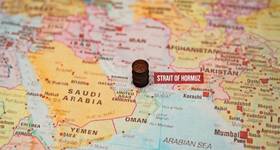
Disruptions caused by the effective closure of the strait since the US and Israel began their war on Iran threaten to push back part of the world's largest LNG expansion project at a time when Qatar is trying to replace volumes lost after attacks on its Ras Laffan export hub.
Speaking at the Qatar Economic Forum Special Edition in New York on Sunday, QatarEnergy CEO Saad al-Kaabi, who is also minister of state for energy affairs, said equipment needed for the expansion was still unable to reach the country because of the Strait of Hormuz disruption.
Ras Laffan Repairs Ongoing
A few LNG trains under the NFE expansion are due to start during 2027 and the North Field South (NFS) expansion is expected to begin production in 2028, he said.
Qatar continues to deal with damage caused by attacks on Ras Laffan, which wiped out 17% of the country's LNG capacity.
Kaabi said the attacks damaged two LNG trains, where repairs could take three years to complete, and one gas-to-liquids (GTL) plant that will complete repairs in the first quarter of 2027.
Despite the damage, Qatar would be able to resume normal gas operations within weeks once the Strait of Hormuz reopens, Kaabi said, adding that QatarEnergy is producing very little LNG.
Asked about reports that Qatar was buying LNG in the market, Kaabi said QatarEnergy continued to expand its trading business and would become "the largest LNG trader in the world by far" in the near future.
Kaabi said that second and third trains at the Golden Pass LNG project in Texas, a joint venture between QatarEnergy and Exxon Mobil XOM.N, are expected to be fully operational in 2027.
Golden Pass shipped its first LNG cargo in April after starting production at its first train in March. When fully operational, the project is expected to produce 18 million metric tons per year of LNG.
Kaabi dismissed suggestions that pipelines through neighbouring countries could provide a practical alternative to exports through the Strait of Hormuz. While thanking neighbouring countries for offering access to their territories, he said Qatar had rejected the option on commercial and technical grounds.
(Reuters - Reporting by Andrew Mills and Marwa RashadEditing by David Goodman)




AOG Digital E-News is the subsea industry's largest circulation and most authoritative ENews Service, delivered to your Email three times per week