LogIn LogOut

Explosion at Qatar's Ras Laffan LNG Hub Injures 54, Leaves 18 Missing

June 22, 2026

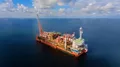
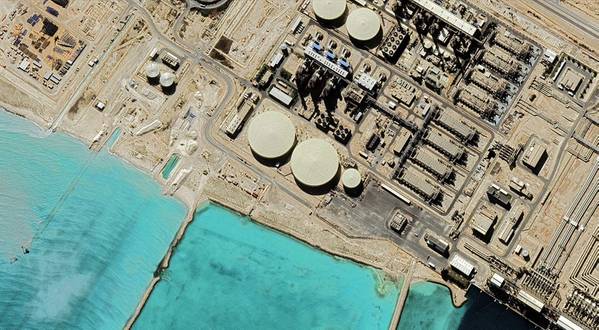
Qatar's Ras Laffan Oil Refinery © ppicasso / Adobe Stock

Thirteen people were killed and dozens injured after an explosion at Qatar's massive Ras Laffan liquefied natural (LNG) gas complex which occurred as workers were restarting operations halted after an Iranian attack in March.

Authorities said a 'technical accident' occurred at the Barzan local gas supply facility on Sunday evening.

Qatar, which hosts a major U.S. military base, has come under repeated Iranian missile and drone attacks during the Iran war, which trapped around 20% of global LNG supply in the Gulf before some shipments began to resume recently.

Speaking to reporters on Monday, Qatar's Energy Ministry Saad al-Kaabi said 13 people had died and 66 were injured. Those killed in the blast were all from India and Pakistan, he said.

"This was an accident and not a sabotage or hostile in nature...Plant production was intentionally completely stopped since December 2025 due to urgent maintenance requirements, it was first restarted again only two days ago," he said.

There is no risk to the environment and the plant's export capabilities were unaffected, he said, adding that an investigation had started into the blast, which was felt across central Doha, panicking residents more than 70 kilometres away.


RAMP-UP CHALLENGES

The incident highlights the challenges Gulf producers face in ramping up oil and gas production from facilities shut in during the Iran war.

Qatar has been among the hardest hit by the closure of the Strait of Hormuz as it has no alternative routes to export its LNG.

Restarting LNG operations is a particularly complex process due to a deliberately slow cooldown to avoid thermal shock. LNG trains cannot restart simultaneously and must be brought back in sequence.

In the liquefaction process - which turns gas into a liquid state by cooling it down to approximately minus 162 degrees Celsius (minus 260 degrees Fahrenheit) - the cooldown is the most critical step.

The plant where the blast occurred, the Barzan gas supply facility, is part of Ras Laffan Industrial City, QatarEnergy's vast LNG production and export site with an annual production capacity of 77 million metric tons.

Barzan supplies pipeline gas for local industry and power generation and can also produce liquefied petroleum gas and other products for export.

An Iranian missile attack in March struck two of Ras Laffan's gas-processing units, slashing about 17% of Qatar's LNG export capacity which QatarEnergy's CEO told Reuters would take three to five years to repair.

The war also forced the company to evacuate about 10,000 workers from offshore rigs and onshore processing plants. The company reported no injuries during the March missile attack.

(Reuters)

Current News

Velesto Terminates NAGA 3 Jack-Up Rig Sale to Indonesian Firm

Velesto Terminates NAGA 3 Jack-Up Rig Sale to Indonesian Firm

Noble Gets $136M Brunei Drillship Job

Noble Gets $136M Brunei Drillship Job

James Fisher, Aquaterra Launch Global Decommissioning Partnership

James Fisher, Aquaterra Launch Global Decommissioning Partnership

Tetragon Energy Advances Oil and Gas Exploration Activities off Philippines

Tetragon Energy Advances Oil and Gas Exploration Activities off Philippines

Arabian Drilling Set to Resume Ops with Three Offshore Rigs

Arabian Drilling Set to Resume Ops with Three Offshore Rigs

Oil Jumps 3% on Renewed US-Iran Conflict

Oil Jumps 3% on Renewed US-Iran Conflict

Hormuz Traffic Falls to Five-Week Low as Tensions Escalate

Hormuz Traffic Falls to Five-Week Low as Tensions Escalate

Subscribe for AOG Digital E‑News

AOG Digital E-News is the subsea industry's largest circulation and most authoritative ENews Service, delivered to your Email three times per week
https://accounts.newwavemedia.com